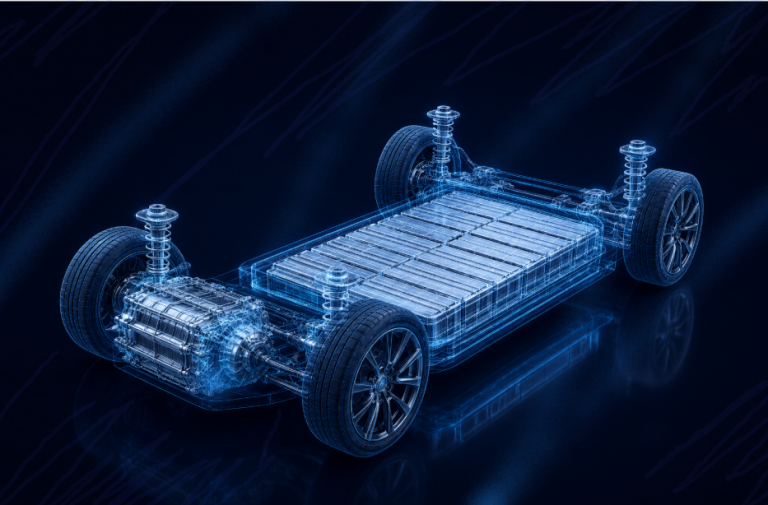
The global clean energy transition is evolving rapidly beneath the surface. While early industry discussions focused almost entirely on maximizing battery driving range—primarily for electric vehicles—today’s market is increasingly shaped by cost efficiency, safety, and long-term durability. This shift is equally critical for renewable energy storage, where batteries play a vital role in capturing and dispatching solar and wind power for homes, grids, and industrial applications.
Electric Vehicles (EVs) and stationary Battery Energy Storage Systems (BESS) – while Lithium-ion remains the dominant technology, it is not a single, uniform solution. The market is splitting into specific Lithium-ion variants.
To understand batteries is to understand the future of green energy. Let’s take a closer look at what the latest battery technology has to offer. This article shows you everything you need to know.
Contents
1. LFP (Lithium Iron Phosphate): The Practical Workhorse
LFP (Lithium Iron Phosphate) batteries are one of the most widely adopted lithium-ion battery technologies in modern energy infrastructure. Known for their strong safety profile, long operational lifespan, and relatively low production cost, LFP systems have become increasingly important in electric vehicles, renewable energy storage, and utility-scale power applications. Although their energy density is lower than some nickel-rich lithium-ion chemistries, their durability and thermal stability have made them a major force in the global transition toward electrification and sustainable energy systems.
How it works:
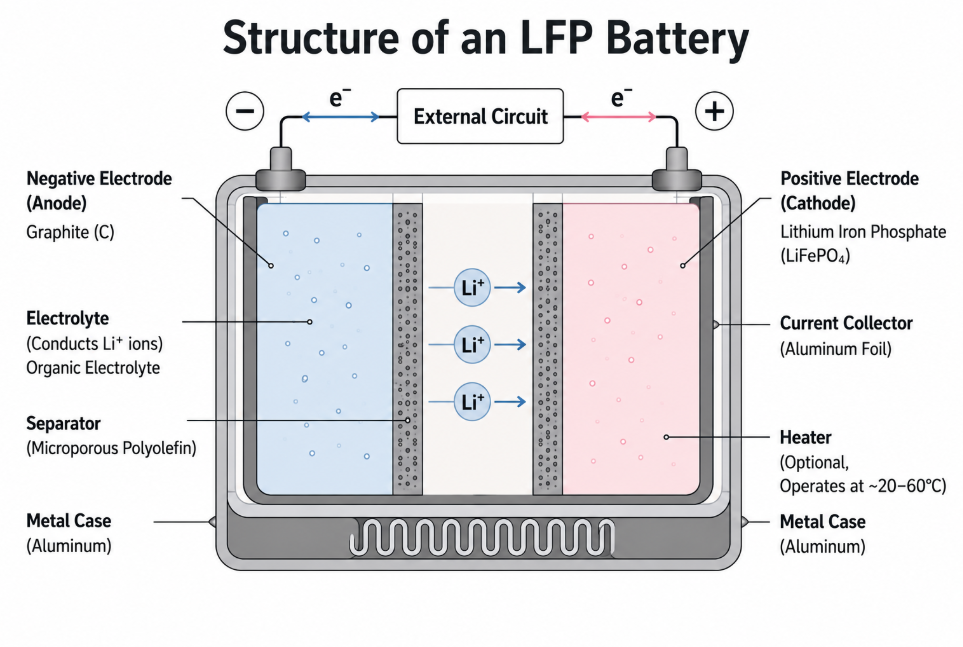
LFP (Lithium Iron Phosphate) batteries are a subtype of lithium-ion battery that use lithium iron phosphate as the cathode material and graphite as the anode. During charging, lithium ions move through an electrolyte from the cathode to the anode, where they are stored. During discharge, the ions travel back to the cathode, generating electrical energy. Unlike high-nickel lithium-ion chemistries, LFP batteries prioritize thermal stability and durability over maximum energy density.
The Advantage:
The primary advantage of LFP batteries is their exceptional safety and durability. Compared with many other lithium-ion chemistries, LFP cells are highly resistant to thermal runaway, overheating, and fire. They also deliver extremely long cycle life, often surviving several thousand charging cycles with relatively low degradation. Another major benefit is reduced dependence on expensive and geopolitically sensitive materials such as cobalt and nickel.
The Application:
LFP batteries are widely used across electric mobility and stationary energy infrastructure. In the automotive industry, they are increasingly adopted in electric vehicles, buses, and commercial fleets where long lifespan and safety are prioritized over maximum driving range. Tesla has notably expanded the use of LFP battery packs in several standard-range vehicle models, helping accelerate global adoption of this chemistry. LFP systems are also heavily utilized in residential solar storage, backup power units, industrial equipment, and utility-scale energy storage installations. Their thermal stability makes them particularly suitable for continuous charging environments and renewable-energy integration.
The Current Stage:
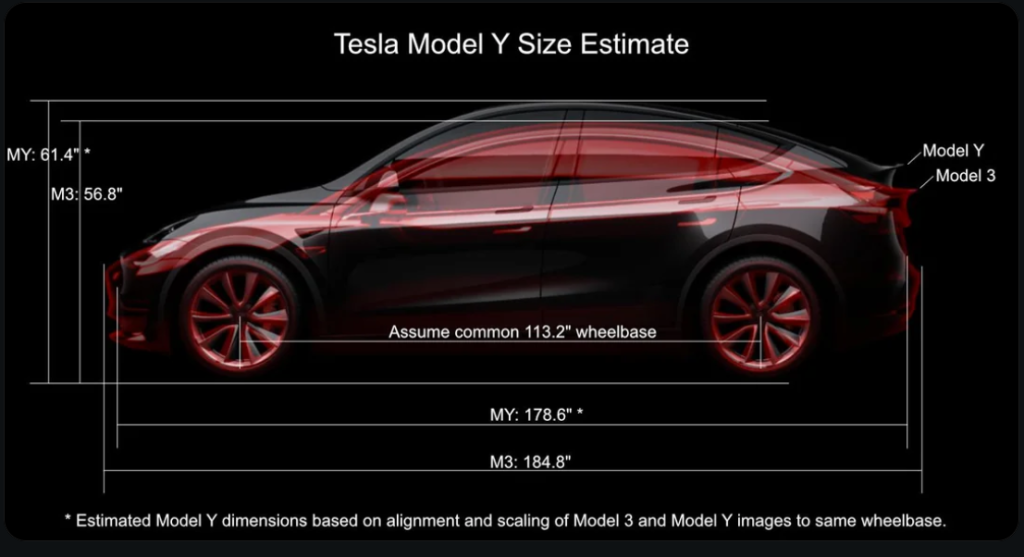
Tesla famously utilizes LFP cells for its standard-range Model 3 and Model Y vehicles (particularly units manufactured at Giga Shanghai), alongside its Powerwall 3 home battery and Megapack utility storage systems . Beyond Tesla, LFP is rapidly gaining global market share, particularly in China and Europe, as automakers prioritize affordability and safety. In March 2026, Tesla and LG Energy Solution announced a $4.3 billion partnership to build a dedicated LFP battery factory in Michigan, supplying cells for Megapack 3 starting in 2027 — further solidifying LFP’s dominance in stationary storage
reference:
Tesla to buy $4.3 billion of LG Energy battery cells from disbanded GM plant – CNBC
2. NMC (Nickel Manganese Cobalt): High Energy Density
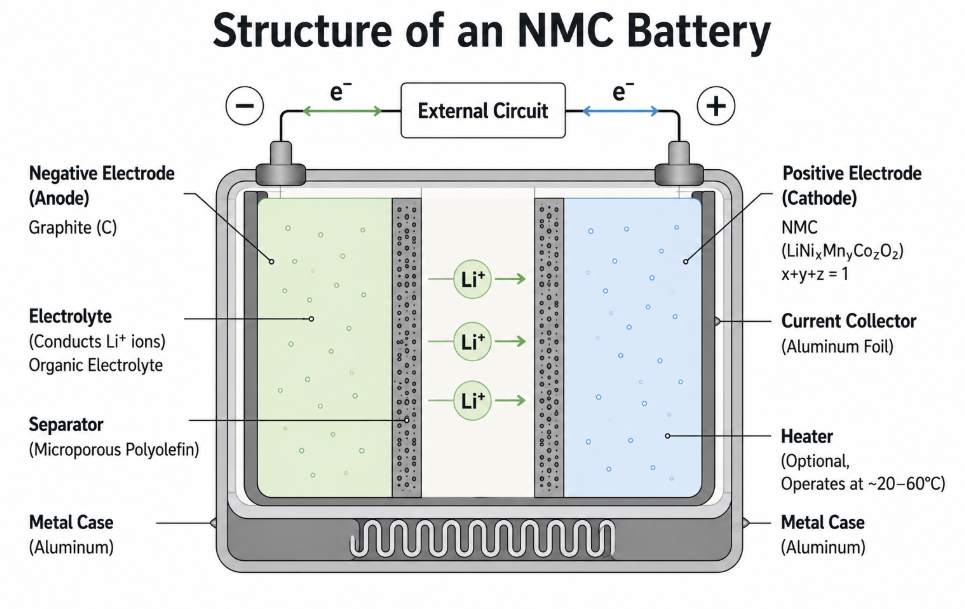
NMC (Nickel Manganese Cobalt) batteries are among the most widely used lithium-ion chemistries in premium electric vehicles and advanced energy systems. Their strong energy density and balanced performance characteristics have made them a central technology in modern EV development and global battery manufacturing.
How It Works:
NMC batteries utilize a cathode composed of nickel, manganese, and cobalt combined in carefully optimized ratios. Lithium ions move between the cathode and graphite anode during charging and discharge, generating electrical energy while balancing energy density, durability, and thermal stability.
The Advantage:
The primary advantage of NMC chemistry is its exceptionally high energy density. NMC batteries can store large amounts of electricity within relatively compact and lightweight battery packs, making them highly suitable for long-range electric vehicles and performance-focused transportation platforms.
The Application:
NMC batteries are widely deployed in premium electric vehicles, performance EVs, industrial mobility systems, and advanced consumer electronics. Tesla has extensively utilized nickel-rich lithium-ion chemistries, including NMC-related architectures, for long-range vehicle platforms requiring maximum driving efficiency and high-performance output.
Current Stage:
NMC technology remains one of the dominant battery chemistries in the global EV industry, particularly in high-performance and long-range vehicle segments. However, manufacturers are increasingly attempting to reduce cobalt dependency because of cost volatility and supply-chain concerns. Companies including Tesla are simultaneously optimizing nickel-rich battery designs while also expanding alternative chemistries such as LFP for lower-cost mass-market applications.
references:
Beyond NMC batteries: Supply chain issues for emerging battery technologies – IEA
Global battery markets are growing strongly – IEA
3. Sodium-ion Batteries: The Commercial Disruptor
As manufacturers seek to bypass lithium’s geographic bottlenecks and rising costs, sodium-ion technology has moved from labs to major commercial mass production — with Chinese companies leading the charge.
How it works:
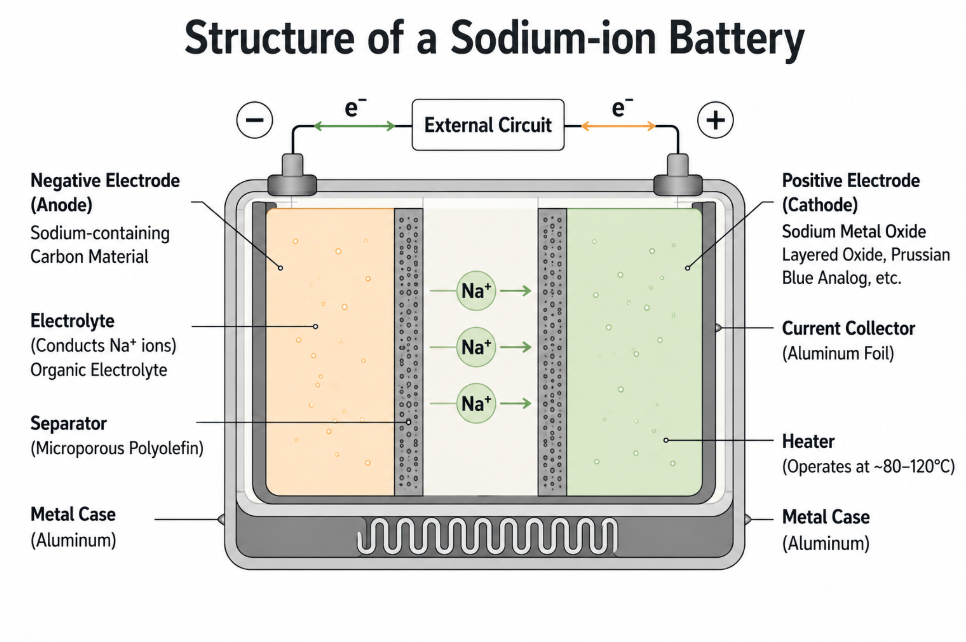
Sodium-ion batteries move sodium ions between cathode and anode through a liquid electrolyte during charge and discharge. Unlike lithium, sodium ions are larger and heavier, which lowers energy density — but their extreme abundance and low cost make the trade-off worthwhile for weight-insensitive applications.
The Advantage:
Sodium-ion operates on the same structural principles as lithium-ion but swaps lithium for sodium — an element derived from common salt that is thousands of times more abundant and roughly 30% cheaper to produce than LFP cells. Furthermore, it performs flawlessly in sub-zero environments, retaining up to 90% capacity even at -40°C.
The Application:
Because of their lower energy density, sodium-ion batteries are currently best suited for stationary or weight-tolerant applications. They are deployed in small urban delivery vehicles, light commuter cars, localized backup systems, and grid-side energy storage — capturing rapid market share where raw cost savings outweigh the need for maximum range.
The Current Stage:
Major global battery manufacturers have scaled sodium-ion into production lines, but Chinese firms such as CATL, BYD, and HiNa Battery are currently at the forefront — driving mass production, cost reduction, and real-world deployment. With continued R&D focused on boosting energy density, this technology is positioned to challenge LFP cells across even broader markets in the coming years.
4. NAS (Sodium-Sulfur) BatteriesScalable Grid Infrastructure:
When analyzing giant, stationary utility infrastructure, weight restrictions disappear entirely. For these macro-grid applications, NAS (Sodium-Sulfur) batteries offer a highly specialized, non-lithium technology optimized for long-duration energy management.
How it works:
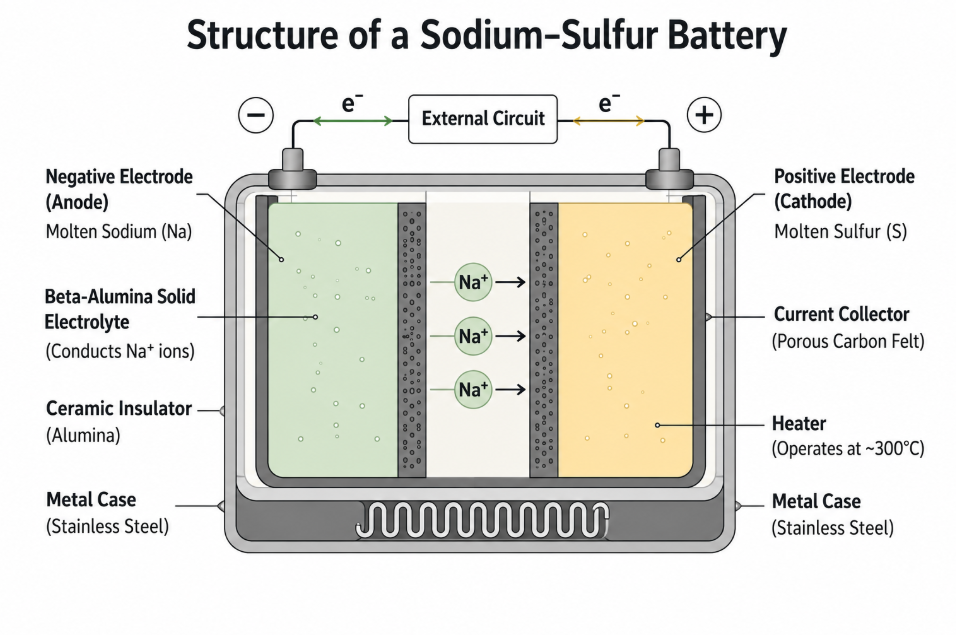
NAS battery utilizes molten liquid sodium and molten liquid sulfur separated by a solid ceramic electrolyte. To keep the active components in their liquid states, the system operates at high internal temperatures between 300°C and 360°C.
The Advantage:
NAS technology is designed explicitly for heavy, continuous power discharge, comfortably delivering 6 hours or more of steady grid output. They boast extreme long-term resilience, handling thousands of deep charge cycles over a 15-year lifespan without fading.
The Application:
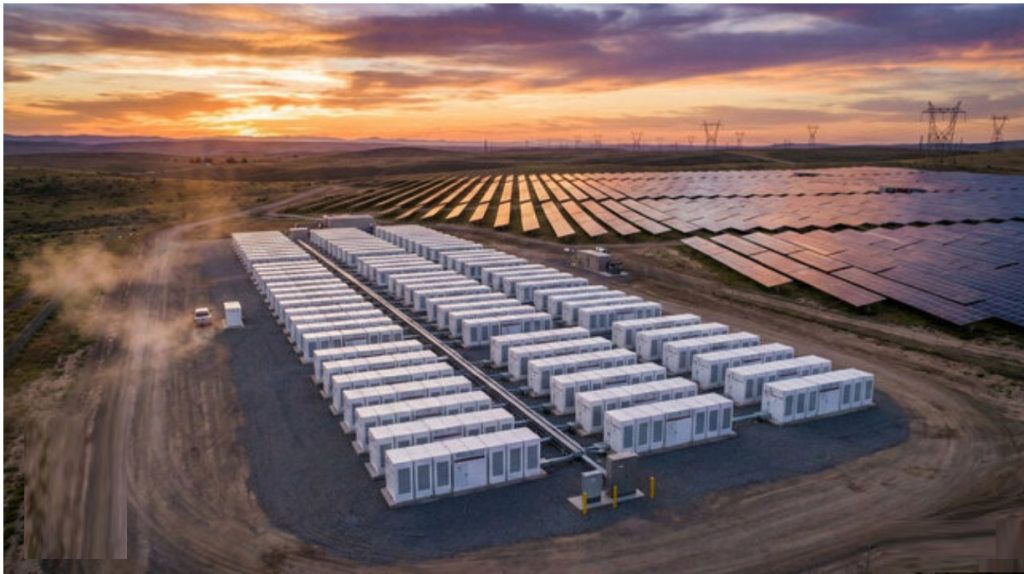
Because of their high operating temperatures, NAS systems are strictly stationary. They are utilized globally for large-scale utility grids, wind farm stabilization, and solar peak shaving—ensuring intermittent renewable energy can be stored and deployed when the sun sets or the wind stops.
Industry Transition and Future Potential:
Although commercial deployment of NAS batteries has slowed in recent years and some manufacturers have scaled back portions of their business, the underlying technology continues to attract interest in the broader search for long-duration energy storage solutions.
As renewable energy expands globally, grid operators are seeking alternatives to lithium-ion batteries for multi-hour discharge, long life, and grid-scale resilience. In this context, sodium-sulfur technology remains a key historical reference — and one that could still shape future grid storage.
The Strategic Takeaway
To understand batteries is to understand the future of energy — not simply as a cleaner grid, but as the growing ability to choose how power is generated, stored, and used.
The electrical grid will remain essential. Yet the deeper significance of battery technology lies in energy autonomy: allowing homes, businesses, and communities to manage their own power more independently and resiliently.
That is why governments and corporations invest billions into battery research. The race is not only about efficiency or mineral supply chains, but also about flexibility, resilience, and decentralized energy systems.
In the short term, society still depends on centralized grids. In the long term, battery innovation may gradually transform electricity into something more personal, distributed, and self-directed.